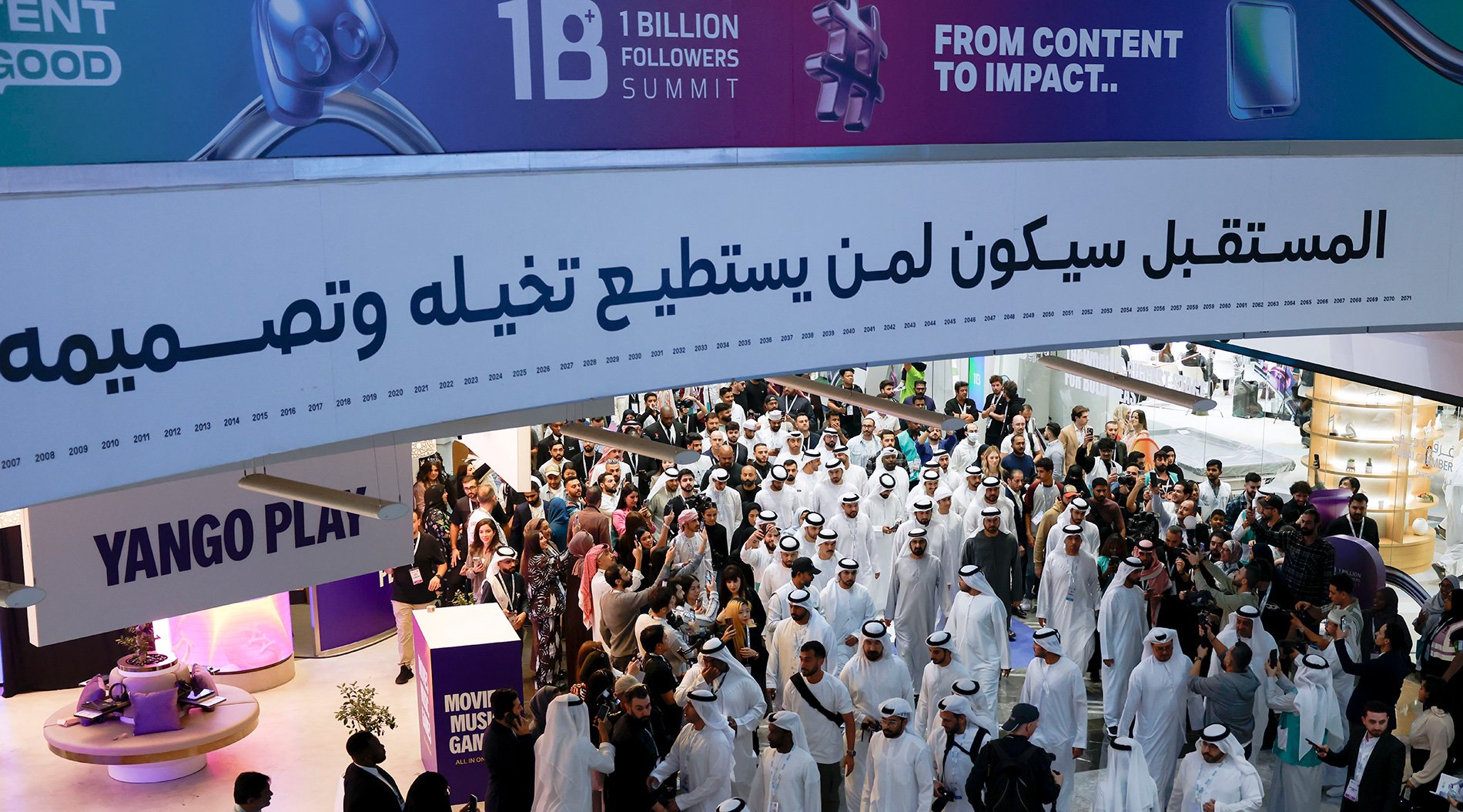
In Dubai, the latest 1 Billion Followers Summit, the world’s largest gathering of online creators, underscored how far the content creator economy has come. Once a niche for hobbyist influencers, it has transformed into a major economic force by 2025. Content creators now command hundreds of billions in revenue, upending traditional media and advertising models. Governments like the United Arab Emirates are eager to capitalize on this boom and position themselves at the forefront of the creator economy.
A Booming Global Industry
The creator economy has expanded at breakneck speed. Industry estimates count over 120 million content creators worldwide. The market’s value has surged accordingly, reaching roughly $161 billion in 2025 by one analysis. In the United States alone, brands are projected to spend $37 billion on influencer marketing in 2025, up 26% from the prior year. In fact, one projection predicts the global creator economy will nearly double to about $480 billion by 2027. This rapid rise has turned online content creation from a hobbyist sideline into a central pillar of the digital economy, as creators drive trends in entertainment, marketing and e-commerce worldwide.
Evolving Platforms and Revenue Streams
As money pours in, platforms have raced to help creators monetize their work. Traditional ad revenue sharing remains a cornerstone, but creators in 2025 increasingly diversify income through brand deals, fan subscriptions, merchandise, and paid content. In fierce competition, social media platforms continually tweak their monetization models. For example, TikTok launched a $1 billion Creator Fund to pay video makers, but many complained of only pennies per thousand views, prompting TikTok to suspend the fund and try other payout models. These episodes highlight how dependent creators are on platform policies, and how quickly those rules can change, forcing creators to adapt.
Challenges: Sustainability, Regulation and Rights
For all its growth, the creator economy faces questions of long term sustainability for those working in it. Most creators earn only modest incomes, one analysis found fewer than 4% make over $100,000 a year, meaning internet millionaires are the exception not the norm. A growing middle tier of creators can sustain themselves on niche followings, but they remain at the mercy of opaque algorithms and platform policy shifts that can undercut their reach or revenue without warning.
Labor rights and regulation are lagging behind. Independent creators typically have no union, no guaranteed benefits, and little recourse when platforms change terms. Most governments still don’t officially recognize content creation as a distinct profession, for instance, U.S. labor statistics barely list social media creator as an occupation. Regulators tend to focus on consumer protections (like requiring influencers to label ads) rather than on creators’ earnings or working conditions.
Momentum for change is slowly building. Hollywood writers’ and actors’ strikes in 2023 highlighted issues like fair pay and AI, sparking speculation that online influencers could be next to seek collective bargaining. Observers draw parallels to the gig economy: just as ride share platforms faced pressure to offer fair pay and transparency, content platforms may soon face calls for better compensation and rights for creators. So far there is no broad creator labor movement, only a few nascent advocacy groups, but that could start to change as the industry matures and its cultural influence grows.
UAE’s Ambition: Building a Creator Economy Hub
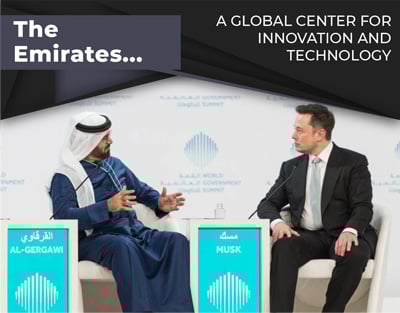
The United Arab Emirates is actively investing in the creator economy’s potential. Dubai’s 1 Billion Followers Summit, organized by the UAE Government Media Office, has become a marquee event for digital creators; its fourth edition in early 2026 was billed as the world’s largest creator economy gathering. The three day summit drew over 30,000 attendees, including more than 15,000 creators and influencers from around the world. His Excellency Mohammed Al Gergawi, the UAE’s Minister of Cabinet Affairs, opened the summit, a sign of the high level support behind it. In his remarks, Al Gergawi emphasized the UAE’s vision of using content as a force for good, noting that the country has become a global leader in digital content by encouraging impactful, positive media. This aligns with a broader national strategy to diversify the economy via technology and media, positioning content creation as a key growth sector.
Beyond rhetoric, the UAE is backing its ambitions with concrete initiatives. At the 2025 summit, the government announced a Creators Ventures Program with AED 50 million ($13.6 million) to fund content creation startups and projects. It also launched an AI Film Award with a $1 million prize for the best AI-generated short film, showing how emerging tech is being harnessed to empower creators. Organizers also sealed partnerships with global platforms like YouTube, TikTok, Snapchat, X and Meta to promote socially beneficial digital content. One campaign at the summit, in collaboration with YouTube star MrBeast, urged creators worldwide to perform 1 Billion Acts of Kindness. It spurred over 170,000 acts of kindness and more than 100 million video views within weeks. Such efforts generate positive content and cement the UAE’s role as a convener in the creator space. UAE leadership views the creator economy as integral to building a sustainable, digital first sector for the future.
As 2025 gives way to 2026, this sector is expected to continue its breakneck growth, further increasing its influence on the global economy. The challenge ahead is to balance that momentum with creators’ calls for equity and sustainability, a balance the world will be watching closely as the content creator economy comes of age.





Leave a Reply