South Africa is looking to Dubai and Gulf sovereign wealth funds for expertise in real estate asset management and investment, as part of a broader plan to restructure its government property portfolio, valued at approximately 155 billion rand ($9.5 billion). The goal is to turn these properties into productive assets capable of generating returns and supporting development projects.
Dubai is emerging as a key destination in Pretoria’s efforts to strengthen its investment ties with the Gulf and draw on the region’s experience in asset management and infrastructure financing. At the same time, the South African government is working to establish a national company responsible for managing a vast property portfolio that includes around 88,000 buildings and 5 million hectares of government-owned land.
Gulf Expertise to Develop South Africa’s Real Estate Assets
South Africa is drawing on the experience of Gulf sovereign wealth funds to develop a new approach to managing its government-owned properties, with the aim of improving asset performance, attracting investment, and generating sustainable returns.
Public Works and Infrastructure Minister Dean Macpherson revealed that Middle Eastern sovereign wealth funds have advised the government on establishing a financing mechanism as part of its plans to create a new state-owned property company.
He explained that authorities are also holding discussions with the Johannesburg Stock Exchange to explore ways of establishing a development fund capable of raising the capital needed to finance projects. However, he did not disclose the names of the sovereign wealth funds involved in the consultations.
Earlier this year, South African President Cyril Ramaphosa announced that work had begun on establishing the national property company. The initiative aims to make better use of government-owned buildings and land by turning them into professionally managed assets that contribute to economic growth and development.
A Vast Property Portfolio and New Investment Opportunities
South Africa’s new plan aims to transform the management of government-owned properties by moving away from traditional property administration toward a more commercially focused approach that prioritizes asset development, higher returns, and private sector investment.
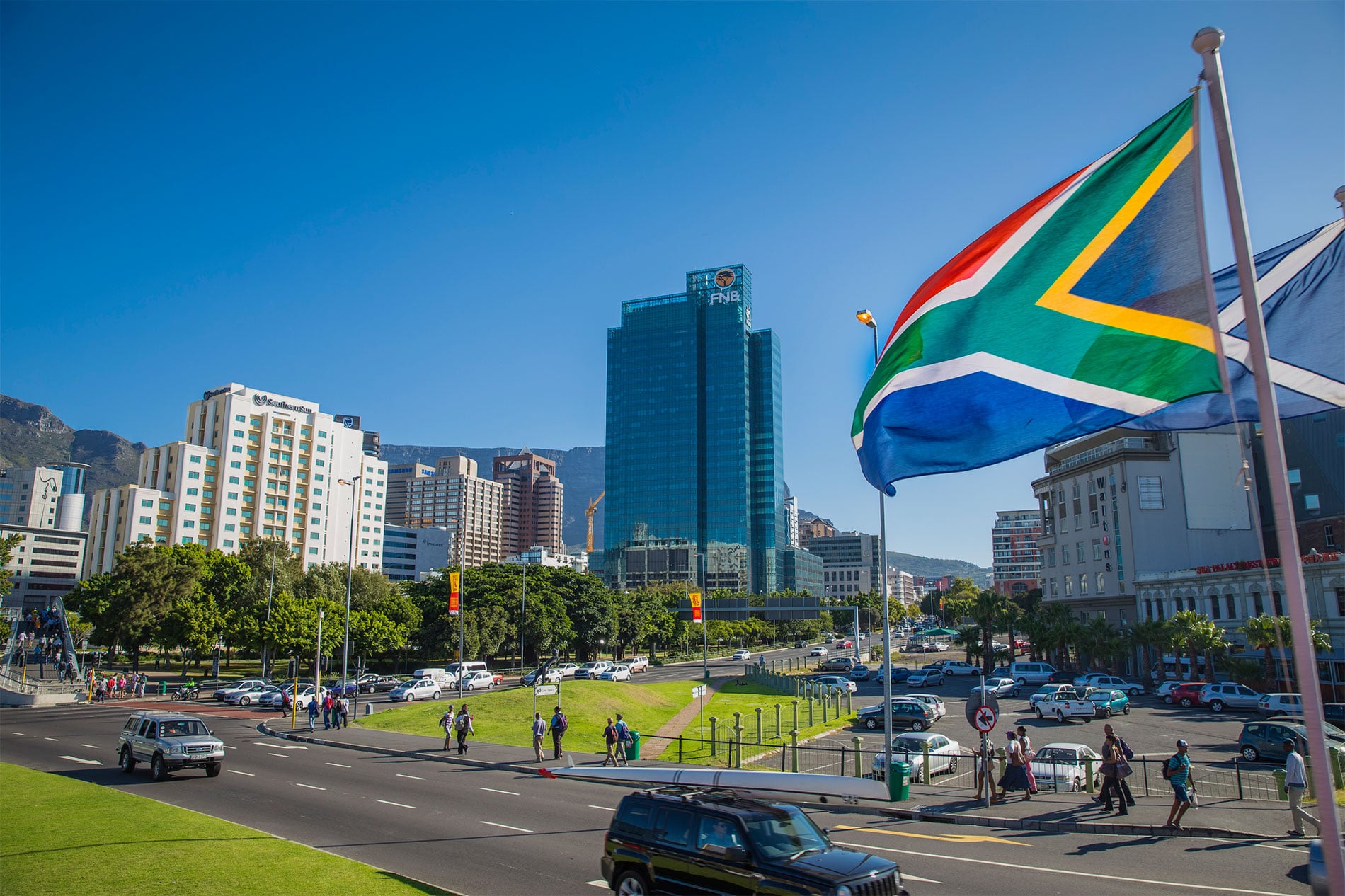
The government portfolio includes approximately 88,000 buildings and 5 million hectares of land, with a combined estimated value of 155 billion rand, offering substantial opportunities for real estate development and investment.
The new strategy calls for a clear separation of responsibilities between asset owners, managers, and property developers. It also includes granting long-term development rights to the private sector and establishing specialized capabilities to finance projects and prepare land and designated areas for development.
These measures are intended to make government-owned assets more attractive to domestic and foreign investors while creating opportunities for investment partnerships that can make use of South Africa’s extensive real estate holdings.
Billions in Investment to Develop Infrastructure
South Africa is seeking to attract substantial capital to finance its infrastructure projects. The country estimates that it needs approximately 1.6 trillion rand in public investment, alongside another 3.2 trillion rand from the private sector, to achieve its infrastructure development goals by 2030.
These financing requirements place foreign investors, particularly Gulf investment institutions and sovereign wealth funds, in an important position within the country’s plans to fund major projects in energy, water, transportation, and logistics.
Highlighting the scale of available investment opportunities, Macpherson said South Africa has a pipeline of construction projects worth approximately 350 billion rand. Procurement and construction activities for these projects are expected to begin within the next 12 to 18 months.
The government is also working to develop financing mechanisms and prepare projects and land for investment. These efforts are designed to encourage greater private sector participation in infrastructure development while drawing on international expertise in project management and execution.
Dubai as a Hub for Attracting Gulf Investors
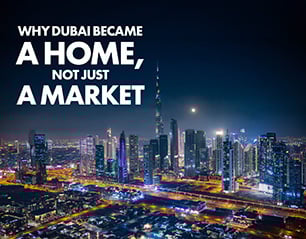
Dubai occupies a central position in South Africa’s strategy to strengthen its investment relationships with the Gulf. Pretoria plans to open a regional office for Infrastructure South Africa in the Middle East, with Dubai considered the likely location.
Speaking during his visit to Dubai, Macpherson explained that the proposed office would help facilitate direct communication with Gulf investors and promote the investment opportunities and government projects South Africa plans to offer in the coming period.
The move toward Dubai forms part of South Africa’s wider efforts to benefit from Gulf expertise in real estate asset management and raise the financing required for development projects. It also reflects the country’s intention to strengthen its presence in regional investment markets.
The new office is expected to expand communication channels with sovereign wealth funds, financial institutions, and investors across the region, supporting South Africa’s efforts to attract capital, develop its government-owned assets, and turn real estate opportunities and infrastructure projects into productive investments that contribute to long-term economic growth.