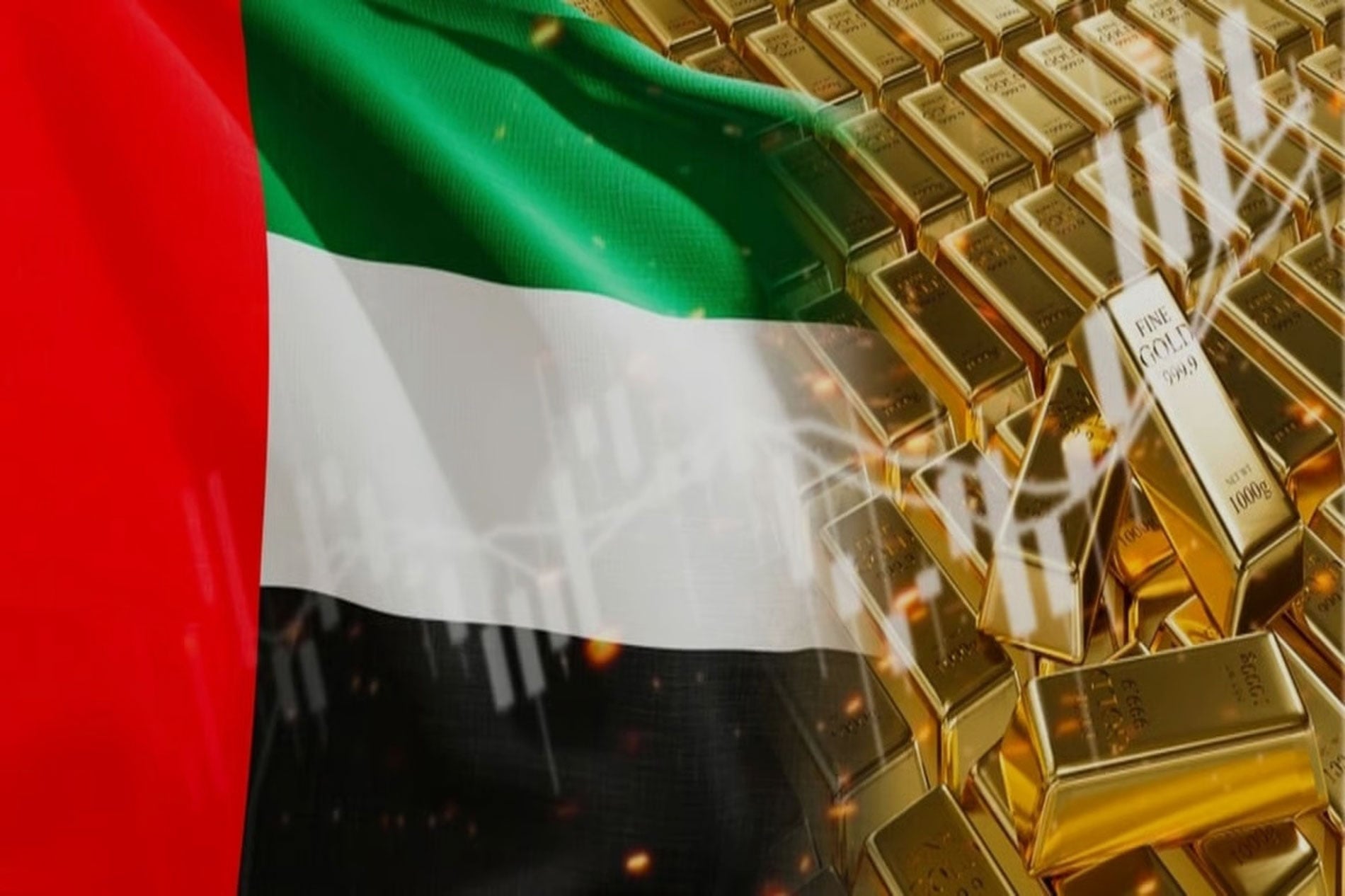
Dubai’s launch of the Gold Spot T+0 Contract marks a technical shift with wider market meaning. The Dubai Gold and Commodities Exchange will introduce the product on June 22, 2026, as the first same day physically settled spot gold contract on a regulated exchange in the GCC. The contract is built around 1 Kg UAE Good Delivery gold, settled in UAE dirhams, cleared through the Dubai Commodities Clearing Corporation, and delivered through approved vault infrastructure. In practical terms, this means that execution, clearing and physical settlement can move into the same trading day rather than being spread across longer cycles.
That matters because Dubai’s role in gold is no longer limited to location, logistics or jewellery demand. The emirate has been moving toward a more institutional form of bullion trading, where speed, legal certainty, price discovery and risk management become as important as storage and shipment. The new contract gives bullion dealers, refineries, brokers, clearing members and institutional participants a regulated alternative to traditional over the counter transactions, especially in a market where physical gold still depends heavily on trust, delivery discipline and settlement certainty.
Why Same Day Settlement Matters
Gold is often described as an old asset, but the market around it is becoming faster, more digital and more exposed to liquidity pressures. A T+0 structure reduces the gap between buying gold and receiving settled ownership of the underlying physical metal. For market participants, this can lower operational friction, reduce counterparty uncertainty and improve the use of capital, especially when prices move sharply within short windows. In a high value commodity market, one day is not just a calendar detail; it can be a pricing risk, a funding cost and a delivery risk.
The launch also comes at a moment when demand for gold infrastructure is rising globally. According to the World Gold Council, total gold demand in 2025 exceeded 5,000 tonnes for the first time, while the value of annual demand reached a record US$555 billion, up 45% year on year. In the first quarter of 2026, demand reached 1,231 tonnes, but the more important figure was value: US$193 billion, a record quarterly level and 74% higher than a year earlier.
Dubai’s Numbers Behind the Move
Dubai is not launching this contract from the margins of the gold market. DMCC data shows that the UAE’s foreign trade in precious metals reached nearly AED 625 billion, or about US$170 billion, in 2024, up 27% from the previous year and 79% over two years. The same DMCC fact sheet describes the UAE, through Dubai, as the world’s second largest physical gold trading hub after Switzerland, with more than 1,500 member companies active across precious metals, stones and diamonds.
Another DMCC source states that Dubai accounts for about 15% of global gold trade, with much of that flow moving through the DMCC ecosystem. This gives the T+0 contract a larger context: it is not simply another exchange product, but an attempt to connect the city’s physical bullion flows with a more formal trading and clearing architecture.
DGCX itself entered 2026 with stronger activity. In 2025, total traded volumes rose 30% year on year to 2,048,556 lots, while the value of contracts traded reached US$46.96 billion. Average daily volume stood at 7,940 lots, and average open interest reached 13,015 lots. These figures suggest that the exchange is trying to build the T+0 contract on an existing base of market participation rather than introducing it as an isolated instrument.
A Benchmark Question, Not Just a Product Launch
The deeper question is whether the contract can help Dubai move from being a passage for bullion to becoming a clearer pricing and settlement reference for physical gold in the region. That depends on liquidity, participation, vault confidence, regulatory reliability and the willingness of major market actors to use the contract repeatedly rather than experimentally.
Global conditions may support that ambition. Central banks continue to treat gold as a strategic asset: in the World Gold Council’s 2026 survey, 45% of surveyed reserve managers said they expected to increase their institutions’ gold holdings over the next 12 months, while 93% said they already held gold. At the same time, Q1 2026 data showed bar and coin demand rising 42% year on year to 474 tons, the second highest quarterly level on record.
In this environment, Dubai’s same day gold contract is best understood as market plumbing with strategic consequences. It does not change the nature of gold, but it changes the way physical gold can be traded, cleared and delivered inside a regulated framework. For a city already positioned between producing regions, consuming markets and financial capital, the next phase of the gold trade may be less about volume alone and more about how quickly, transparently and safely that volume can move.





Leave a Reply