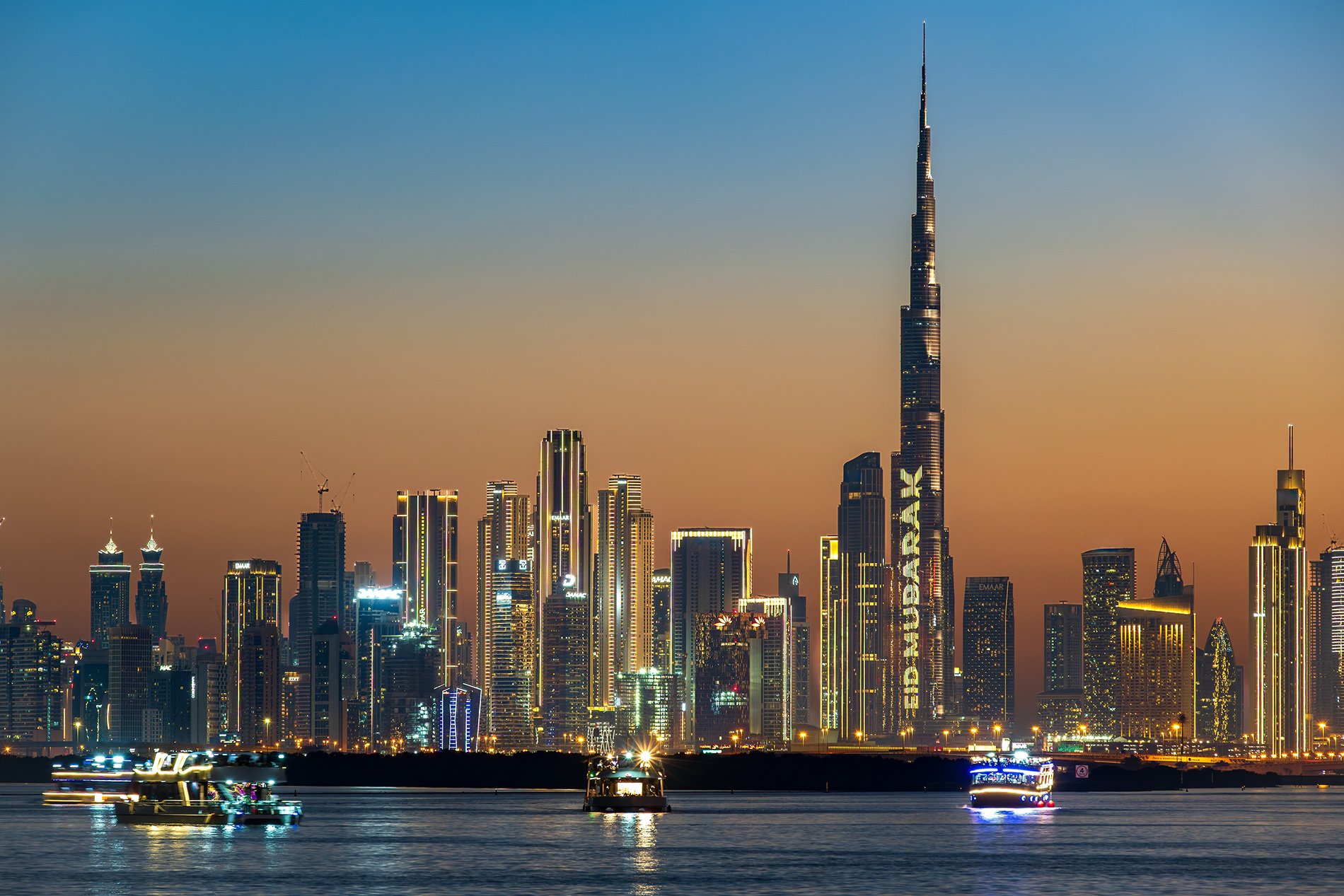
In an age where time itself is commodified, some cities have transformed into “around the clock” organisms. This shift reflects a broader vision of continuous economic activity, a “24-hour economy” that “embodies a holistic framework in which social, infrastructural, and regulatory structures support continuous economic activities around the clock”. Dubai’s rise as a “city that never sleeps” is emblematic of this model. The emirate leverages its strategic time zone location and relentless innovation to keep factories, ports, markets, hotels and malls humming at all hours. As one analysis notes, metropolises with vibrant night economies, “such as New York, Dubai, and London”, see their entertainment, culture and hospitality sectors contribute significantly to GDP, jobs and global reputation. In Dubai, this ethos of perpetual motion has become a core part of its identity and growth strategy.
Even beyond narrative, Dubai’s economy shows robust, non-linear expansion. In the first half of 2025, Dubai’s gross domestic product grew 4.4% year on year to reach AED 241 billion (about USD 65 billion), with 4.7% growth in the second quarter alone (AED 122 billion). These gains exceed many forecasts and reflect strength across many sectors. Such performance suggests Dubai is not growing by a steady linear arc but through leaps: health and social services grew 20%, construction 8.5%, and retail tourism also surged. The results underline how multi sector dynamism, from tech hubs to shopping, composes its engine of non-linear growth.
Tourism and Hospitality
Dubai’s nightlife and round the clock tourism exemplify the 24/7 model. In H1 2025 Dubai welcomed 9.88 million international overnight visitors, a 6% increase over the same period in 2024. Hotels ran at over 80% occupancy, and new leisure offerings (like luxury resorts or cultural attractions) kept tourists arriving at all hours. The aviation sector, too, runs nonstop: Dubai International Airport (the world’s busiest for international travelers) saw 93.8 million passengers in 2025 (a record that broke the prior year’s tally). Even as the sun sets over the desert, Dubai’s skies remained busy with arrivals and departures. This ceaseless tourist and transit activity generates revenue and jobs around the clock, amplifying the city’s growth in fits and spurts.
Trade, Logistics and Industry
Dubai’s infrastructure is built for 24/7 operations. Dubai Customs explicitly runs “goods clearance services 24/7, 365 days a year” through digital platforms. Ports never close: Jebel Ali Port (the emirate’s maritime hub) handled a record 15.5 million TEUs of containers in 2024, up by roughly 7% year on year, relying on round the clock cranes and terminals. DP World (the Dubai based port operator) reported a 20.4% revenue jump in H1 2025, with container volumes up over 5% globally. The company is investing billions (over USD 1.08 billion in H1 2025) to expand Jebel Ali and other logistics assets. In effect, cargo ships, trucks and warehouses operate continuously, linking markets from Asia to Europe in real time. This non-stop trade flow means supply chains and industries in Dubai grow by bursts, for instance, major projects or demand surges can be met any hour thanks to this always on logistics backbone.
Finance, Technology and Services
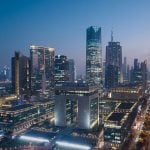
Dubai’s business districts also never sleep. The Dubai International Financial Centre (DIFC), the emirate’s premier financial hub, saw its strongest H1 performance ever in 2025. In just six months it welcomed 1,081 new active companies (a 25% jump year on year), ranging from banks and insurers to fintech startups and family offices. Today the DIFC hosts over 8,000 registered firms and more than 1,500 fintech/AI innovators. It is now ranked among the top four global FinTech centers, with its startups having raised over USD 4.2 billion. Dubai’s regulatory environment and shared free zone infrastructure allow these firms to operate relentlessly, markets stay open, trading floors and data centers run multiple shifts, and financial services never pause. This fosters spiky growth: sudden capital inflows, tech breakthroughs (e.g. blockchain finance, AI applications) or large transactions can happen round the clock, driving jumps in investment and output that typical daytime limited cities might miss.
Government Policy and Infrastructure
Crucially, the authorities have baked the 24/7 model into policy. Free zones, extended licensing, visa reforms and smart regulations ensure businesses can function continuously. Officials openly tie this to growth targets: for example, Dubai Customs noted projects like “Rashid Port, Jebel Ali, Cargo Village and the airport support Dubai’s vision…to be among the top three global economic cities.” Likewise, government agencies regularly cite the Dubai Economic Agenda (D33), which aims to “double the size of the economy” by 2033 and secure Dubai a top three global city ranking. To enable nonstop trade, Dubai has invested in five runway airport expansion (Al Maktoum International) and massive cargo terminals. Public private partnerships regularly promote new cultural events, hotel openings and tech hubs at all hours, reinforcing the non-linear feedback loop where policy and infrastructure spur growth in unexpected leaps.
Global Comparisons
Dubai’s continuous economy model sits alongside other late night metropolises. New York City has long been “the city that never sleeps,” with 24 hour subways, Broadway shows and finance markets. Singapore, too, promotes a vibrant night time economy (though it carefully controls venues). As noted analysis shows, cities like New York, Dubai and London “report that their cultural, entertainment, and hospitality sectors contribute significantly to their GDP, job market, and global brand appeal”. Compared to these peers, Dubai’s edge is its policy turbocharge: it seamlessly blends leisure, logistics and business to operate literally every hour. In contrast to linear growth seen in cities relying only on daylight hours, Dubai often achieves growth spurts as new projects or reforms come online at any time. For example, a new transit line might open while hotels continue at full tilt, so the economic impact accumulates faster.
As a result, Dubai’s “always on” economy produces what might be called non-linear growth. The interplay of sectors means small changes can cascade: a popular new attraction can boost late night hotel stays and retail sales in the same month, causing a surge in revenue that would be impossible in a single sector city. In 2025, for instance, the combination of post pandemic travel rebound, Expo 2020 legacy events and rising tech investment yielded rapid GDP growth well above trend. This is growth by leaps rather than a straight line.
Dubai’s ethos of perpetual motion, underpinned by multi sector productivity, smart infrastructure and visionary policy, has turned the city into a living experiment in continuous time economics. Its success lies in treating the 24 hour clock as an engine of value: hotels remain full at dawn, planes take off at midnight, and factories load containers at all hours. This relentless pace yields a distinctive growth curve, with peaks driven by innovation and global demand. While challenges like traffic and energy costs arise, Dubai’s model demonstrates how a “city that never sleeps” can harness time itself as a powerful, non-linear growth resource
Leave a Reply