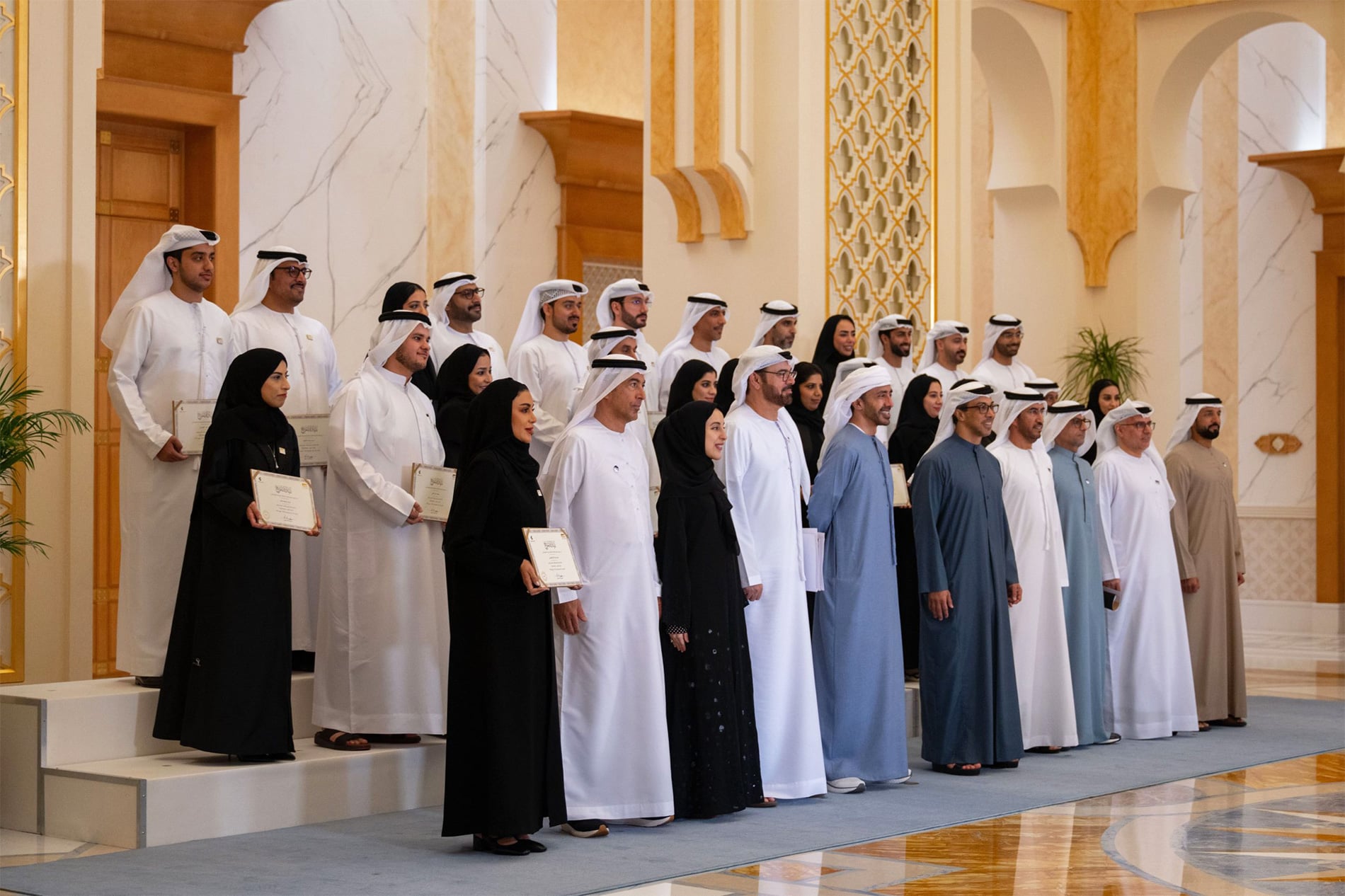
Sound economic policy is not simply a matter of numbers such as jobs created or spending allocated; rather, it is about structuring the relationship between the individual, the market, and the state. The market alone does not ensure fair distribution of opportunities, and the state alone cannot generate skills from nothing. Effective governance aligns incentives so that rational economic decisions serve both national and social interests. From this perspective, Nafis is more than an employment initiative. It seeks to place the Emirati citizen at the center of productivity, competitiveness, and sustainability. Extending the program until 2040, after contributing to the employment of more than 176,000 citizens—including 152,000 working across 32,000 establishments by March 2026—confirms that Emiratization has become a structural pathway for reshaping the labor market.
From a Transitional Project to an Institutional Ecosystem
When Nafis was launched in September 2021 as part of the second package of the Projects of the 50, it was introduced as an integrated federal program consisting of 13 initiatives, with AED 24 billion allocated to enhance the competitiveness of Emirati talent and support its integration into the private sector. In its initial phase, the program aimed to employ 75,000 citizens over five years, while providing salary support, pension contribution assistance, child allowances, and training and qualification programs. This reflected that the challenge was not merely the availability of jobs, but also the cost of transitioning into the private sector and the structural differences between it and the public sector. Nafis therefore emerged as a mechanism to correct imbalances in incentives.
The program then developed rapidly. In November 2022, updates were introduced, including increasing salary support for citizens in the private and banking sectors, expanding eligibility to include those employed both before and after the launch, and raising the ceiling of financial support while broadening the sectors and specializations covered. According to the Emirates News Agency, these updates aimed to support more than 170,000 beneficiaries over the following five years. This explains why comparing targets across phases can be misleading, as the program began with a target of 75,000 opportunities before expanding to cover a wider base of working citizens.
The Real Impact… What Changed in Market Structure?
If viewed only through headline figures, the achievement may appear purely numerical. However, a deeper reading reveals a structural transformation in the labor market. According to a Cabinet review in January 2026, the number of citizens employed in the private sector exceeded 175,000 by the end of 2025, compared to around 35,000 before the launch of Nafis—an increase of 389%. This indicates not only an expansion in opportunities, but also a greater willingness among private sector employers to hire national talent, alongside a shift in citizens’ perception of the private sector as a stable career path. With beneficiaries distributed across 32,000 establishments by March 2026, the transformation has extended beyond large firms into the broader economic fabric.
The impact of the program did not stop at employment numbers, but extended to stability within the labor market. Women accounted for 74% of total beneficiaries, while more than 38,000 children benefited from the Child Allowance Program. Around 3,500 citizens benefited from the Healthcare Sector Cadres Development Program, and approximately 7,700 from programs such as “Kafa’at,” “Khibrah,” and “Training for Employment.” These figures show that the policy addresses not only unemployment gaps, but also the social risks associated with private sector work, including family stability and skills development. When families are supported and employees have clear career pathways, work becomes a sustainable professional journey.
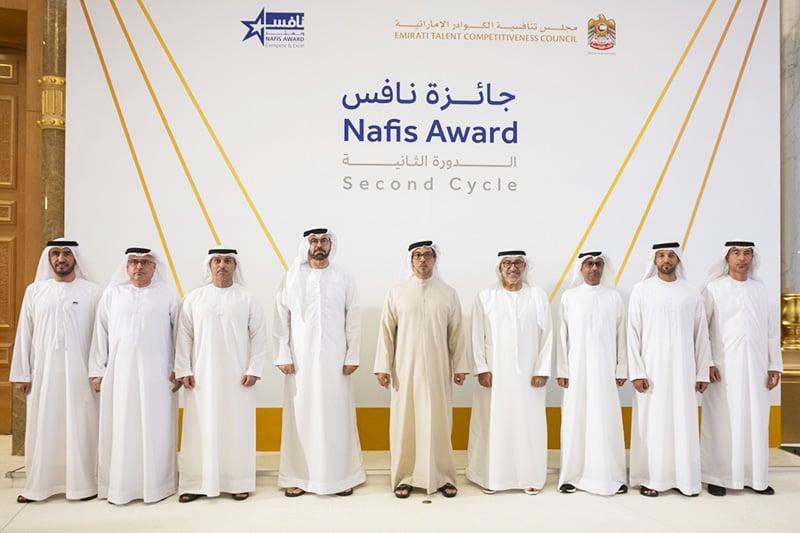
This aligns with the broader vision outlined by His Excellency Mohammad Abdullah Al Gergawi, who stated in September 2024 that Nafis has contributed to preparing a generation of national talent and leaders capable of meeting future requirements through their participation in the private sector, describing it as a reflection of leadership directives. In this context, Emiratization is no longer limited to filling vacancies or increasing workforce participation; it has become part of a broader process of building institutional capacity within the national economy. The benchmark of evaluation therefore shifts from quantity to quality.
Why Extending It Until 2040 Represents a Structural Shift
The key factor at this stage is not only the numbers achieved, but the time horizon. Markets do not change behavior through short-term decisions, companies do not redesign hiring strategies based on temporary initiatives, and individuals do not build long-term careers without confidence in stability. Extending Nafis until 2040 therefore represents a declaration of institutional continuity. It signals to companies that the government is a long-term partner in managing this transformation, to citizens that the private sector offers sustainable opportunities, and to policymakers that Emiratization has become part of long-term development planning.
The extension was accompanied by qualitative updates introduced during the Year of the Family 2026, including removing the cap on the number of children eligible for the Child Allowance, introducing support for children of female citizens working in the private sector, and adding support for spouses of citizens working in the same sector. This reflects a shift from focusing solely on the individual employee to supporting the broader family structure. In modern policy frameworks, success is measured not only by hiring numbers, but by retention, stability, and continuity.
The Next Challenge… From Employment to Productivity
The success of Nafis in its next phase will not be measured solely by rising employment figures, as numerical growth has limits unless it translates into job quality, career progression, talent retention, and real productivity. The key question after 2026 is not how many citizens entered the private sector, but how many will evolve into leaders, experts, and high-value contributors. The challenge therefore shifts from social policy to the economics of skills. While the program has already established a strong foundation, the next phase requires deeper focus on work environments, career development, and measuring impact through productivity and sustainability.
Nafis represents a clear example of integrating economic, administrative, and social policy within a unified framework. It does not treat Emiratization merely as a regulatory obligation, nor reduce it to financial support. Instead, it works to rebalance the market by adjusting incentives, reducing gaps, and strengthening the attractiveness of the private sector. Extending it until 2040 appears logical, as building new work patterns, social expectations, and partnerships between government and business requires time beyond short-term cycles. If the next phase succeeds in transforming numerical gains into lasting qualitative impact, Nafis could stand as a model for a more stable, efficient, and mature labor market.





Leave a Reply