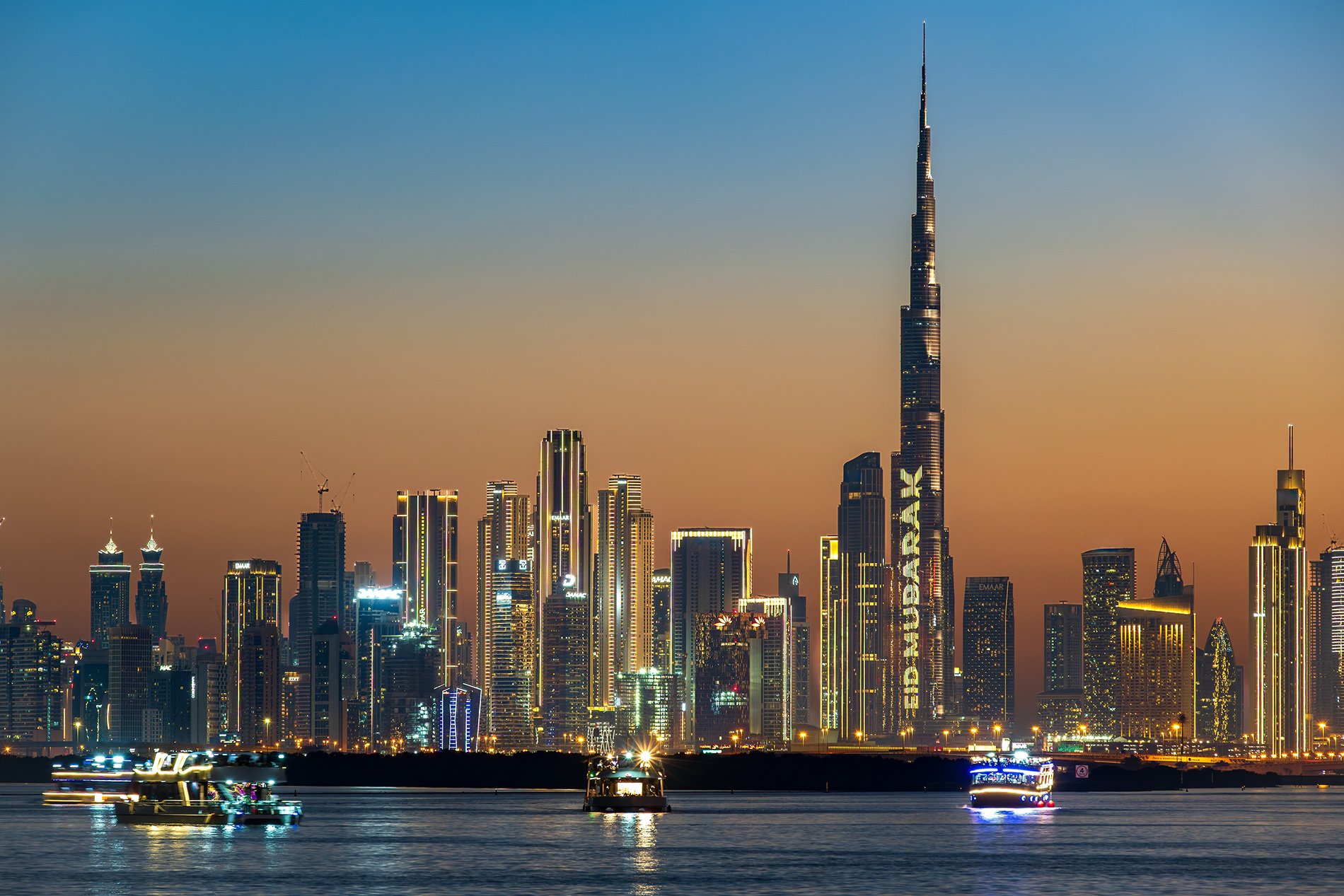
In a sweeping transformation that mirrors the rise of historic trade hubs like the Hanseatic cities and Geneva in centuries past, Dubai has firmly positioned itself as one of the world’s top financial destinations in 2025. According to a recent report by the U.S.-based digital magazine Eurasia, the emirate is now the number one global hotspot for capital inflows and high-net-worth individuals (HNWIs), outpacing long-established financial centers such as the United States and Switzerland.
Citing the latest figures from international consultancy Henley & Partners, the report reveals that the UAE topped the global list of wealth migration destinations in 2025, welcoming an estimated 9,800 new millionaires—bringing with them a combined wealth of around $63 billion. That’s a major leap that places Dubai ahead of global powerhouses like Singapore and Hong Kong.
From Trading Port to Financial Titan
Dubai’s transformation hasn’t been accidental. In less than 50 years, the city evolved from a regional trading port into the Middle East’s most prominent financial center, largely thanks to the establishment of the Dubai International Financial Centre (DIFC) in 2004. This special economic zone introduced an independent regulatory and legal framework aligned with international standards, gaining the confidence of global institutions.
Analysts point to a “magic formula” behind Dubai’s success: political stability, high levels of security, and a highly competitive tax regime. With no personal income tax, a corporate tax rate capped at 9%, and full tax exemptions in free zones, Dubai has become a haven for wealthy families from across the globe—including regions like India, Pakistan, Africa, Russia, and Europe.
A Surge in Millionaires and Billionaires
As of 2025, Dubai is home to over 81,000 millionaires and 28 billionaires—a stunning 98% increase over the past decade. Projections suggest that the city could soon surpass Paris in terms of its wealthy resident population, driven by simple immigration processes, a luxurious lifestyle, and world-class infrastructure. Dubai offers top-tier healthcare, sprawling shopping malls, and a world-class aviation network through Emirates Airlines, connecting it to virtually every global capital.
Islamic Finance, Fintech & Crypto: Dubai’s Next Frontiers
But Dubai’s ambition doesn’t stop at traditional finance. The city is actively building its reputation as the capital of Islamic finance, aiming to rival Kuala Lumpur in this domain. Simultaneously, Dubai has become a thriving hub for fintech and digital assets, attracting companies fleeing tighter regulations in cities like London and Hong Kong.
Today, the DIFC hosts more than 8,000 financial firms, employing nearly 48,000 professionals. It’s also home to 27 of the world’s top 29 banks, including major players like J.P. Morgan, Goldman Sachs, and BlackRock, as well as the largest Chinese banks.
This massive influx of financial activity has triggered a dramatic rise in banking assets, which have tripled to $240 billion—a 200% increase that reflects the scale of Dubai’s financial evolution.
A 21st-Century Financial Bridge
Now ranked 11th globally among financial cities, Dubai has overtaken Paris and continues to climb. But rather than directly competing with giants like New York or London, Dubai is carving out a strategic role as a vital financial bridge in the 21st century—linking East and West, tradition and innovation.



Leave a Reply