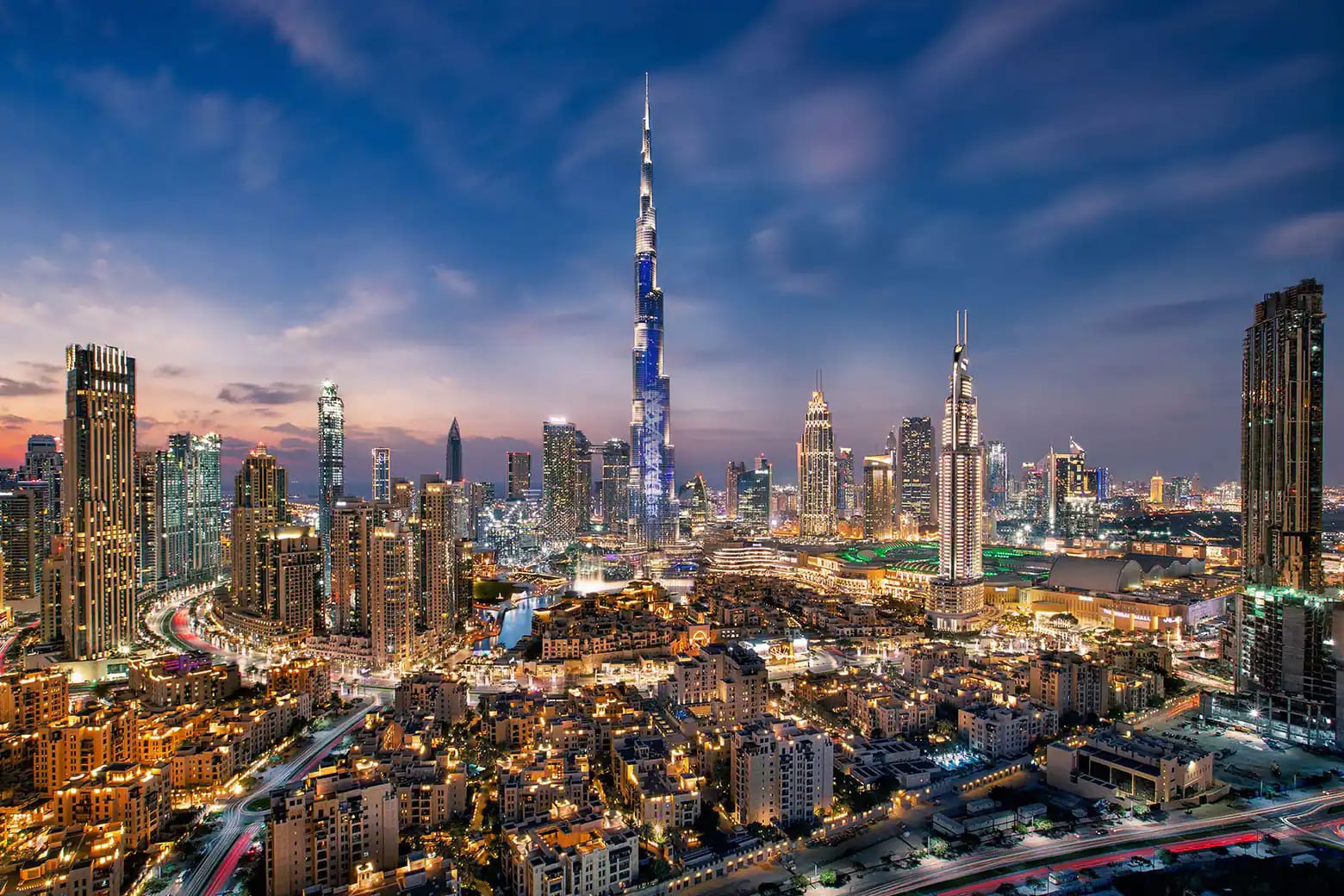
Dubai’s real estate sector maintained a strong pace of development and construction from the beginning of 2026 through July, with work commencing on 228 new real estate projects at a total construction cost of approximately AED 66.99 billion.
March 2026 recorded the highest level of activity during the period, with construction starting on 52 projects valued at around AED 17.1 billion. The figures provide a positive indication of continued confidence among investors and developers in Dubai’s real estate market and reinforce the emirate’s position as a leading global destination for property investment.
The new projects include 61,837 units across the residential, hotel, and commercial segments, in addition to 11,927 villas, helping expand the volume of real estate supply expected to enter the market in the coming period.
New Projects
Dubai’s real estate sector has witnessed continued development activity since the beginning of 2026, with construction starting on 228 new real estate projects between January and July.
This level of activity reflects sustained confidence among investors and developers in the strength of the market, as well as Dubai’s ability to maintain its position among the world’s leading destinations for real estate investment.
The accelerated pace of project construction comes amid continued demand for different types of real estate units, contributing to a broader range of available options and supporting future growth in property supply.
Data from the Dubai Land Department showed that the construction cost of projects that began between January and July 2026 reached approximately AED 66.99 billion.
March led the seven-month period in terms of activity, with construction beginning on 52 projects worth approximately AED 17.1 billion. January followed with 47 projects valued at around AED 13.29 billion.
In April, construction started on 30 projects with a combined value of approximately AED 10.36 billion, while May recorded 25 new projects with a construction value of about AED 9.65 billion.
The flow of new projects into the market continued in June and July. June saw construction begin on 19 projects worth a combined AED 5.03 billion, while July recorded 21 projects with a total value of approximately AED 3.27 billion.
These figures highlight the continued development momentum in Dubai’s real estate market, along with clear diversity in project sizes and investment values. This is expected to support the growth of the emirate’s property inventory and meet ongoing demand for residential units across different market segments.
The new developments comprise 61,837 residential, hotel, and commercial units, in addition to 11,927 villas.
Project Distribution
“Airport City” topped Dubai’s areas in terms of the total value of projects entering the construction phase, with an estimated construction value of AED 6.01 billion spread across 31 projects. The area also ranked among the most active locations in terms of the number of new developments.
“Business Bay” ranked second, with five projects carrying a combined value of approximately AED 4.67 billion, reflecting the relatively high average value of developments under construction in the area.
“Jebel Ali First” came in third, with eight projects valued at approximately AED 4.41 billion.
“Me’aisem Second” ranked fourth, recording four projects with a combined construction value of about AED 3.66 billion, followed by “Nad Al Sheba First” with seven projects worth approximately AED 3.52 billion.
“Dubai Maritime City” also recorded the start of construction on 11 projects with a combined construction value exceeding AED 3.43 billion, highlighting continued development activity in the area.
“Al Yalayis 5” recorded three projects worth AED 3.1 billion, placing it seventh, while “Za’abeel Second” saw construction begin on four projects valued at AED 3 billion.
In “Al Thanyah Fifth,” construction started on two projects with a combined value of AED 2.58 billion, while “Al Khairan First” ranked 10th with three projects valued at approximately AED 2.48 billion.
This distribution demonstrates the broad geographic spread of real estate activity across Dubai, reflecting the diversity of development and investment opportunities while supporting the emirate’s wider urban expansion plans.
Seizing Opportunities
Mohammed Al Mutawa, Chairman of Al Waleed Investment Company, said that the figures for real estate projects that have entered the construction phase in Dubai reflect strong confidence among developers and investors in the emirate’s property sector. He described the numbers as encouraging and reflective of a sense of optimism, while also pointing to proactive moves by investors to seize available opportunities.
Al Mutawa told Emarat Al Youm that the launch of construction on such a large number of projects gives reason for optimism, particularly amid current conditions marked by instability in the Middle East and challenges related to supply chains.
He explained that the scale of the projects is an encouraging indicator of strong, genuine demand for real estate in Dubai, rather than development activity driven merely by expectations. He said this demand is supported by strong economic, demographic, and investment factors, including population growth, the expansion of the international investor base, and rising demand for housing and property ownership in the emirate.
He also noted that, alongside the current cycle of real estate project growth, the government sector and government entities are working on a number of major projects. He said this is one of the characteristics that distinguishes Dubai, where the government sector complements the private sector and vice versa, describing the formula as a “magic mix” that sets Dubai apart.
Al Mutawa added that Dubai’s real estate market has become more mature and more capable of absorbing new projects compared with previous years, supported by the development of the regulatory environment, higher levels of transparency, and an advanced legislative framework that protects the rights of investors and developers alike.

Leave a Reply